Cabin Stability and Ceramic Window Tint | St Louis
Cabin Stability as Spring Approaches
Article 4 of 4
Cabin Stability Series
Seasonal temperature changes affect more than just outdoor comfort — they influence the environment inside your vehicle as well. Sunlight passing through untreated automotive glass allows infrared energy to enter the cabin, gradually warming interior surfaces and creating uneven temperature conditions.
The Cabin Stability series explores how sunlight, infrared heat, and vehicle glass interact throughout the year. By understanding how these factors influence cabin conditions, drivers can make more informed decisions about comfort, interior preservation, and long-term vehicle protection.
Each article examines a different aspect of how heat enters the vehicle and how modern technologies help manage that environment.
If you discovered this article through our parking lot education card or The Call newspaper, welcome. We're glad you're here.
The Transition Into Spring
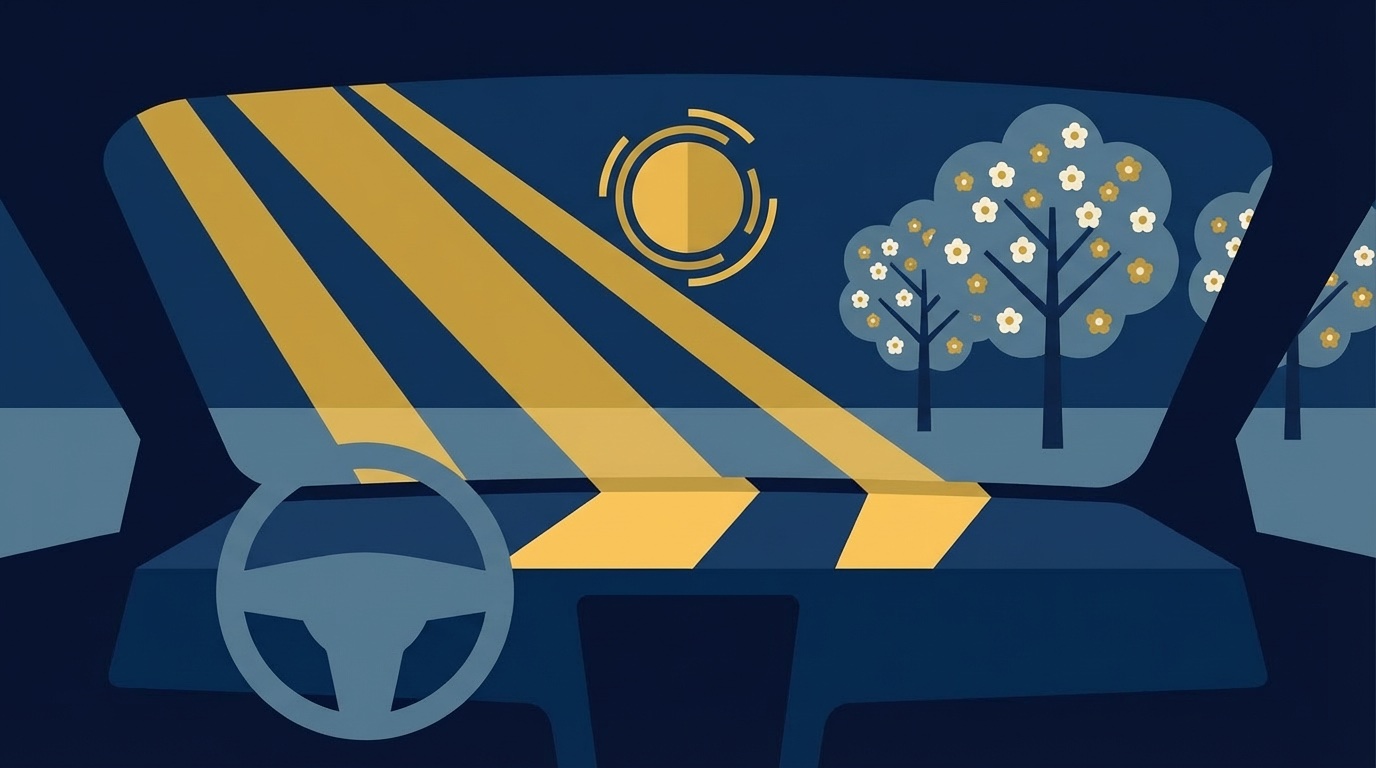
As winter begins to fade and daylight hours increase, sunlight becomes noticeably stronger.
Even when outside air temperatures remain moderate, the energy from spring sunlight begins warming vehicles more quickly during the day.
Drivers often notice this when returning to a vehicle parked in the sun. The interior may feel warmer than expected even though the outside temperature feels comfortable.
This early seasonal heating is caused by infrared radiation entering through automotive glass.
Why Vehicles React Before Summer
Infrared energy passes through untreated automotive glass and is absorbed by interior materials such as dashboards, seats, and trim panels.
These surfaces warm throughout the day and then cool again when outside temperatures drop.
This daily heating and cooling cycle becomes more noticeable as the sun climbs higher in the sky during the spring months.
Even before summer arrives, these cycles can contribute to interior temperature fluctuations and gradual material wear.
The Role of Cabin Stability
Cabin stability focuses on maintaining a more balanced interior environment as outside conditions change.
Rather than allowing rapid heat buildup inside the vehicle, managing how sunlight enters through the glass helps reduce temperature spikes.
When interior temperatures rise more gradually, the vehicle’s climate system can stabilize cabin conditions more efficiently.
A more controlled environment also helps reduce repeated thermal stress on interior materials.
How Ceramic Film Supports Cabin Stability
Modern ceramic window films are engineered to reduce infrared heat penetration through automotive glass.
Unlike traditional dyed films that mainly affect appearance, ceramic technology focuses on thermal performance.
By reducing infrared radiation entering the cabin, ceramic film can help:
• moderate interior heat buildup
• reduce rapid heating during sun exposure
• support more balanced cabin conditions
This approach helps maintain a more stable interior environment as seasonal sunlight increases.
Preparing Before Peak Summer
Many drivers wait until summer temperatures become extreme before thinking about heat management.
However, managing heat earlier in the season allows drivers to maintain more consistent cabin conditions before peak solar intensity arrives.
Preparing the vehicle during the spring months helps improve comfort throughout the warmer seasons ahead.
Ceramic Window Tint Installation in St. Louis
Reflekt Precision provides professional ceramic window tint installation in St. Louis and South St. Louis County, helping drivers reduce infrared heat and maintain more comfortable cabin conditions year-round.
Drivers visit Reflekt Precision from across the region, including:
• Oakville
• Mehlville
• Lemay
• Affton
• Arnold
• Sunset Hills
If you're searching for ceramic window tint in St. Louis focused on heat management and interior protection, Reflekt Precision specializes in advanced infrared heat reduction and vehicle preservation solutions.